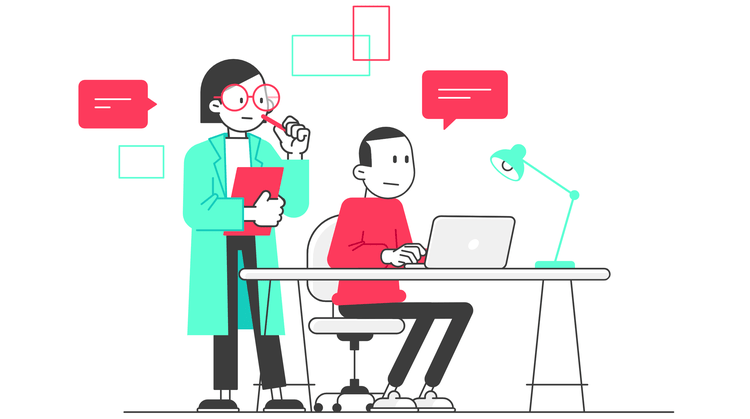
Usability Test Plan
The concept of a usability test plan involves defining the scope, purpose, schedule, equipment, participants, scenarios, metrics, and roles. Metrics cover successful task completion, critical and non-critical errors, error-free rate, time on task, and subjective measures. The plan serves as a detailed roadmap for conducting a thorough and effective usability test.
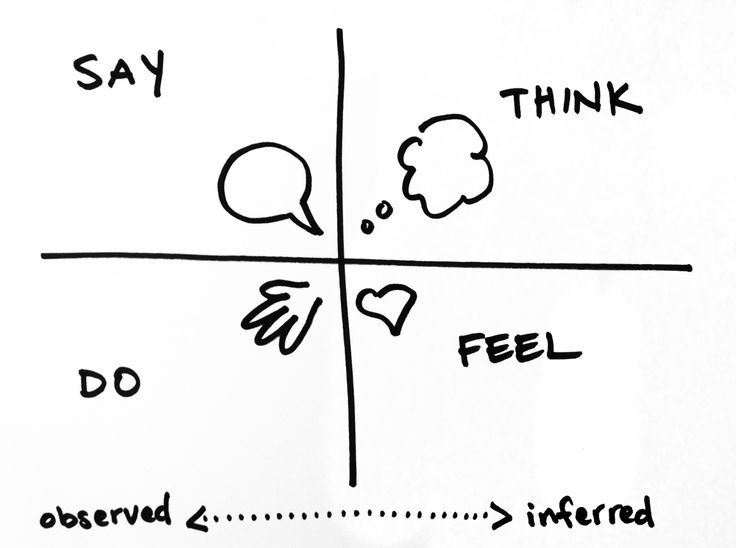
Empathy Map
Empathy maps are visual tools used in design thinking and user experience to understand and empathize with users. They typically include sections for users’ thoughts, feelings, actions, and needs, providing a holistic view to guide the development of products or services with a user-centric approach.
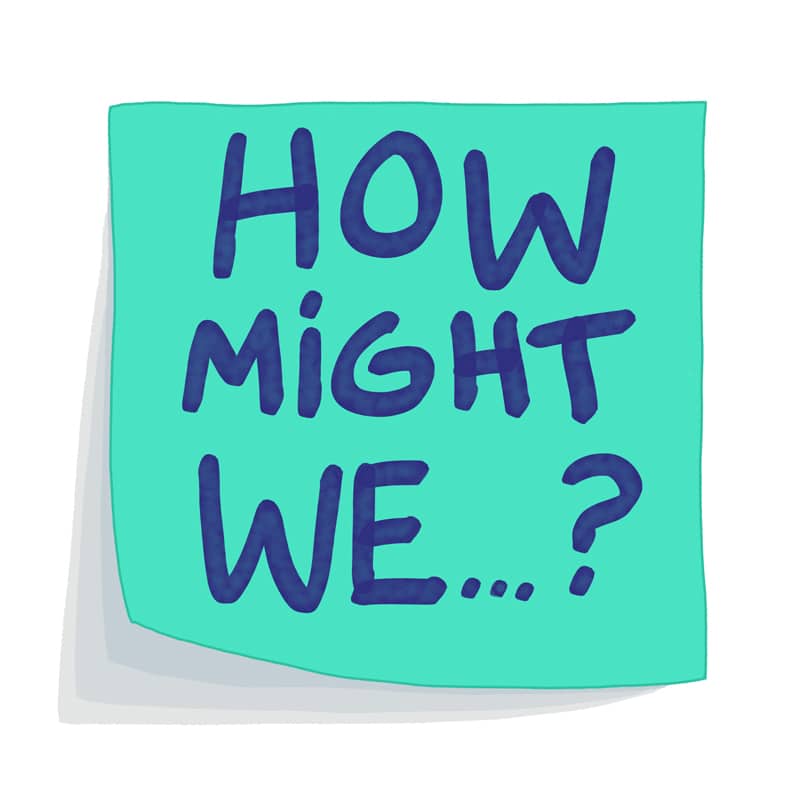
How Might We?
“How might we?” is a creative problem-solving technique that reframes challenges into opportunities. It encourages brainstorming by posing questions in an open-ended and optimistic manner, fostering innovative solutions and ideation in design thinking and problem-solving processes.
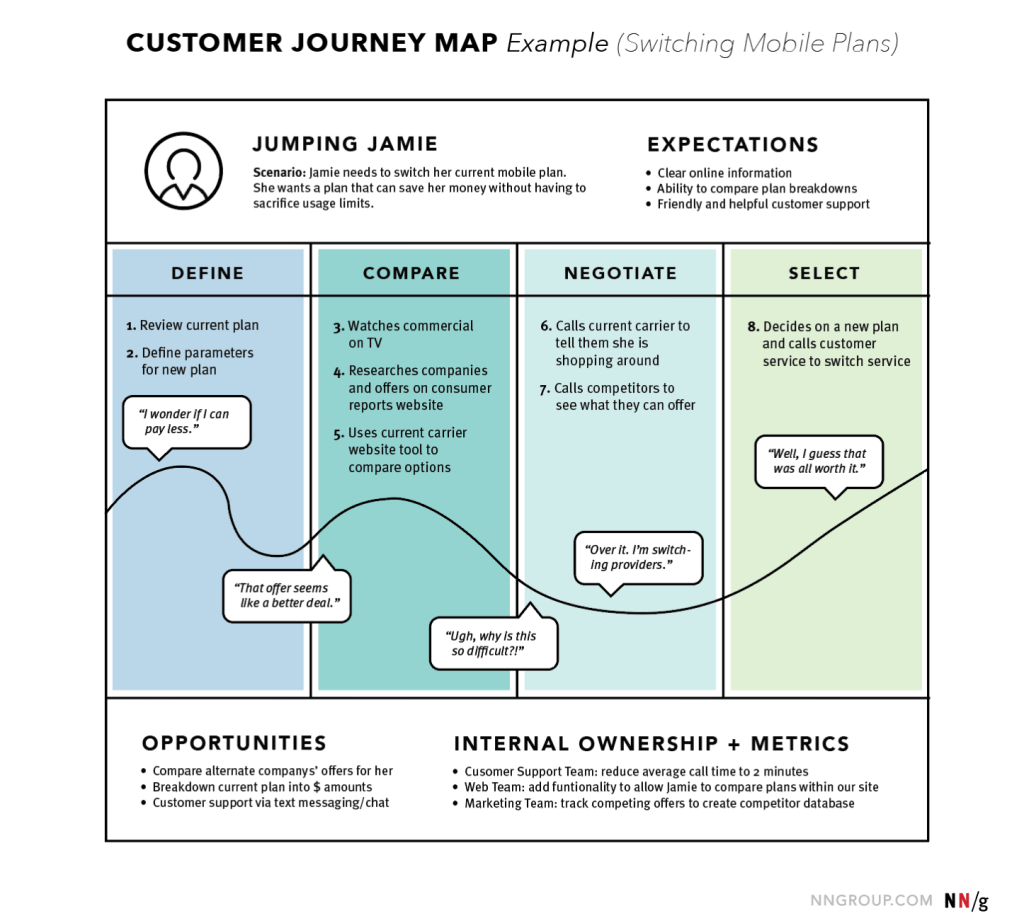
Customer Journey Map
A Customer Journey Map is a visual representation that illustrates the end-to-end experience of a customer with a product or service. It typically outlines various touchpoints and interactions, helping businesses understand and optimize the customer’s overall journey for improved satisfaction and engagement.
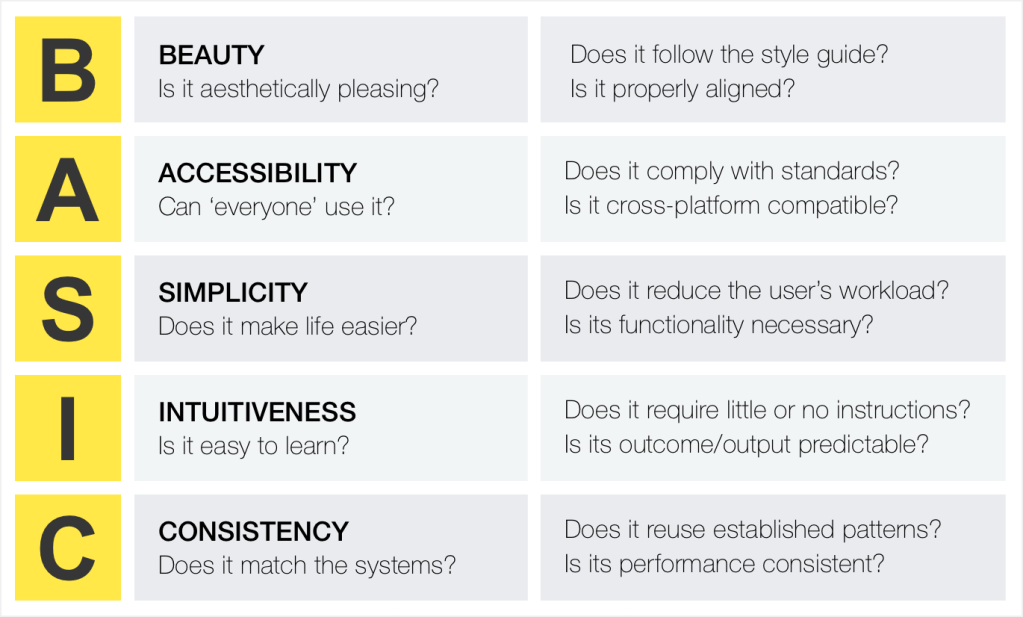
BASIC UX Framework
BASIC is an acronym for Beauty, Accessibility, Simplicity, Intuitiveness, and Consistency. It is a set of common UX principles that tests something’s overall user experience.

Fogg Behavior Model
The Fogg Behavior Model, developed by Stanford psychologist Dr. BJ Fogg, posits that behavior results from the convergence of motivation, ability, and triggers. It suggests that for a behavior to occur, individuals must be motivated, have the ability to perform the action, and receive an effective trigger to prompt the behavior.
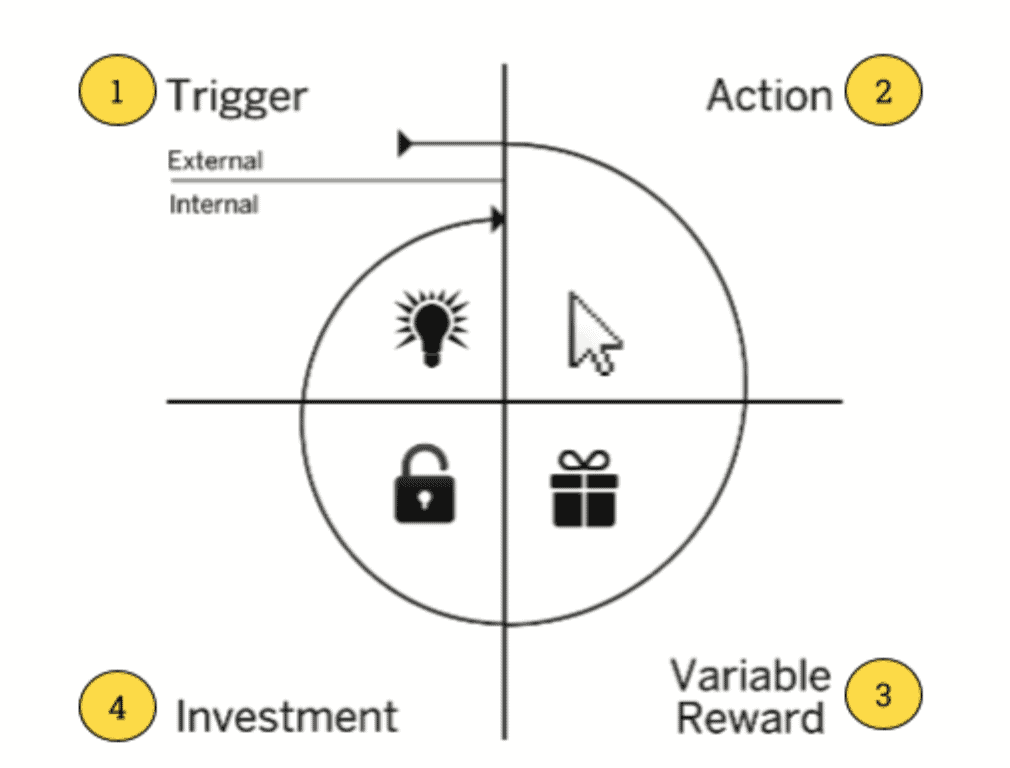
Hooked Model
The Hooked model by Nir Eyal outlines a four-step process for creating habit-forming products. It involves Trigger, Action, Variable Reward, and Investment, forming a loop that encourages users to repeatedly engage with a product. By strategically incorporating these elements, businesses can build products that capture and retain user attention over time.
 productbits