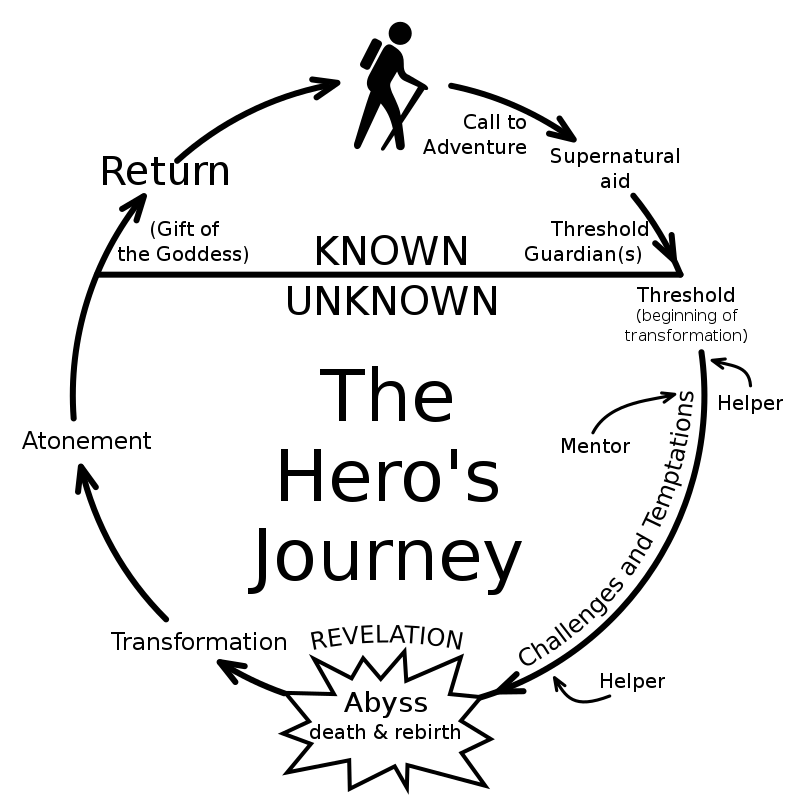
The Hero’s Journey
The Hero’s Journey is a storytelling framework that follows the protagonist as they embark on an adventure, face trials, experience personal growth, and ultimately return transformed. This monomyth, popularized by Joseph Campbell, encompasses stages such as the Call to Adventure, Trials and Challenges, and the Hero’s Return, providing a universal template for many epic narratives.

The Pixar Framework
The Pixar storytelling framework, often summarized with “Once upon a time, every day, one day, because of that, because of that, until finally,” emphasizes the importance of a structured narrative with a clear cause-and-effect chain. It helps create compelling and emotionally resonant stories by establishing a logical progression of events leading to a satisfying resolution.
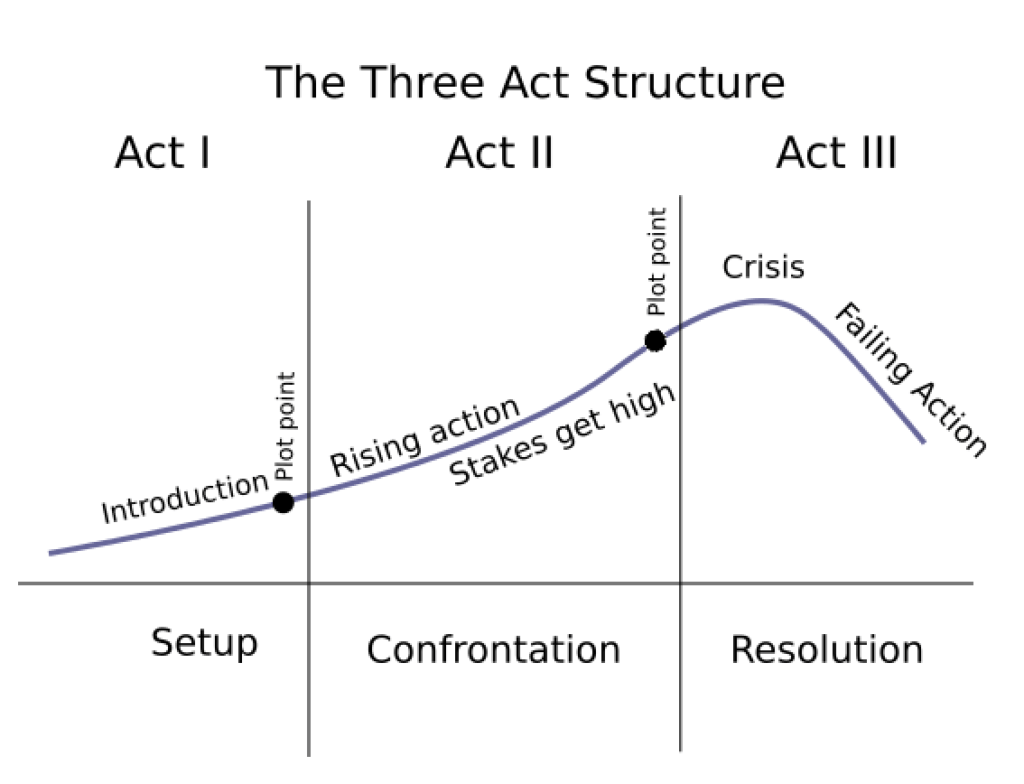
The Three Act Structure
The Three Act Structure is a classic storytelling framework divided into Setup, Confrontation, and Resolution. It introduces the characters and setting, builds tension through conflicts and challenges, and concludes with a resolution that often includes a character’s growth or a transformative change in the narrative.

Problem-Agitate-Solution (PAS)
The Problem-Agitate-Solution framework is a persuasive storytelling technique. It identifies a problem, emphasizes its significance or agitates the pain points, and then presents a solution—often a product or idea—as the effective resolution to the highlighted issues.
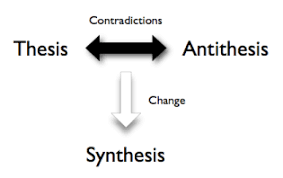
Thesis-Antithesis-Synthesis
The Thesis-Antithesis-Synthesis framework, often associated with dialectical reasoning, involves presenting a proposition (thesis), introducing its opposing idea (antithesis), and then resolving the conflict by synthesizing the two perspectives. This approach is commonly used in philosophical discourse and can be applied to create narrative tension and resolution.

Problem-Solution-Bridge
The Problem-Solution-Bridge framework begins by highlighting a problem, followed by the presentation of a solution, and then seamlessly connecting the two with a bridge that emphasizes the transformative impact of the solution on resolving the identified issue. This structure is effective for communicating clear and compelling narratives in various contexts, including marketing and persuasive communication.
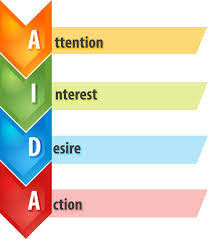
Attention-Interest-Desire-Action (AIDA)
The AIDA framework is a marketing and communication model that guides the audience through stages of Attention, generating Interest, creating Desire, and ultimately leading to Action. It is designed to systematically move individuals from awareness to taking a specific action, such as making a purchase or engaging with a product or service.
 productbits