

Cialdini’s 6 Principles of Persuasion
Robert Cialdini identified six key principles of influence: reciprocity, commitment, social proof, authority, liking, and scarcity. Understanding and applying these principles can enhance your ability to persuade and influence.
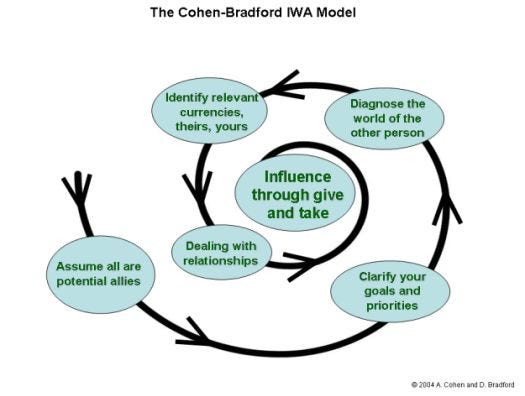
The Influence Model
“The Influence Model” emphasizes building relationships, understanding others’ perspectives, and employing collaborative approaches to gain support and cooperation within an organization or team. The model is designed to help individuals navigate complex organizational structures and dynamics effectively.
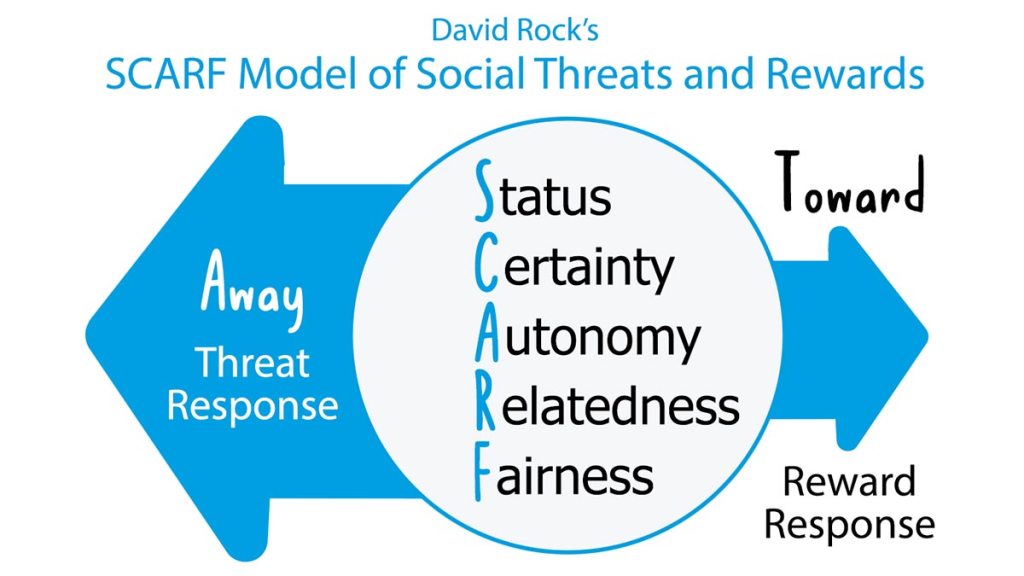
SCARF Model
The SCARF model, developed by David Rock, explores the social dimensions that influence human behavior: Status, Certainty, Autonomy, Relatedness, and Fairness. This model highlights how these factors impact individuals in various contexts, providing a framework for understanding and managing social interactions to enhance collaboration and minimize threats in organizational settings.

Elaboration Likelihood Model
The Elaboration Likelihood Model (ELM) by Richard Petty and John Cacioppo describes how individuals process persuasive messages based on their motivation and ability to engage in systematic thinking. It distinguishes between central route processing (deep, thoughtful analysis) and peripheral route processing (superficial cues), influencing the degree of attitude change and persuasion effectiveness.
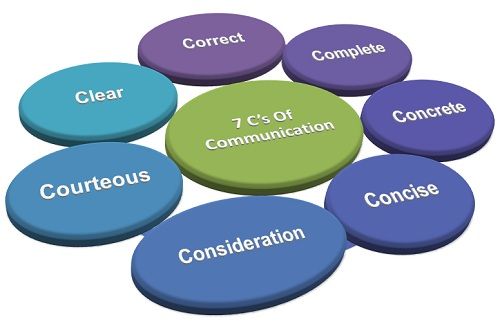
7C’s of effective communication
The 7C’s of effective communication are a framework that outlines key principles for clear and impactful communication: completeness, conciseness, consideration, clarity, concreteness, courtesy, and correctness. These principles help ensure that messages are well-structured, relevant, understandable, respectful, and free from errors, facilitating effective communication in various contexts.
 productbits