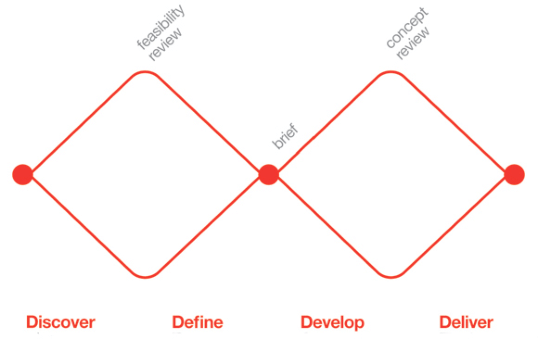
4D Process
The framework is based on the idea that product management should be driven by data, customer needs, and a clear vision for the future. The four dimensions of the framework are discover, define, design, and deliver.

Impact Mapping
Impact Mapping is a useful technique for product managers to focus on outcomes in their strategy and prioritization. Impact Mapping provides a framework for visualizing the impact of product initiatives and helps teams connect product work to business outcomes.

Opportunity Tree
The Opportunity Solution Tree is a visual representation of the relationship between customer problems, product solutions, and business goals. It helps product managers to think systematically about the problem-solution space and to identify the most promising opportunities for product development.

Product KATA
It is a framework that helps product teams to continuously improve their product development process. The Product Kata is based on the idea of lean manufacturing, which is a set of principles and practices that help organizations to eliminate waste and improve efficiency.

Dual Track Development
Dual-track development is a strategy for product development that separates the work of discovery from the work of delivery. This is based on the idea that these two types of work have different goals and require different methods.
Value Proposition Canvas
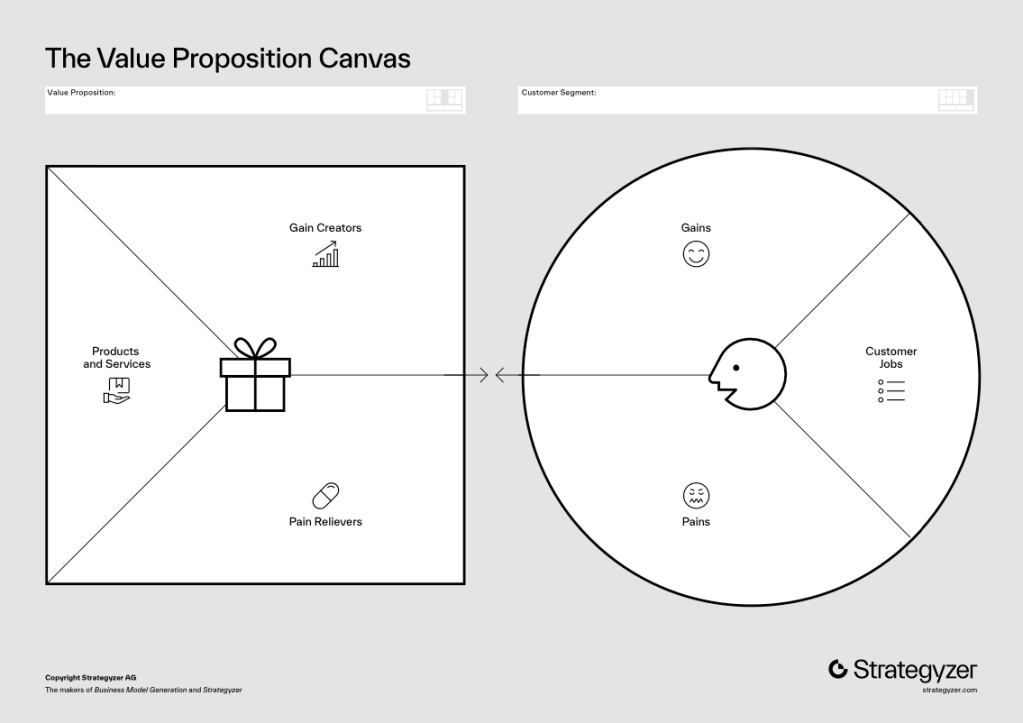
The Value Proposition Canvas is a strategic tool that helps businesses articulate and design their value proposition by analyzing customer profiles and mapping the features and benefits that address their needs and challenges. The canvas outlines the customer segment’s jobs, pains, and gains on one side, and the product or service features, pain relievers, and gain creators on the other, providing a visual framework for aligning offerings with customer expectations.
Jobs To Be Done
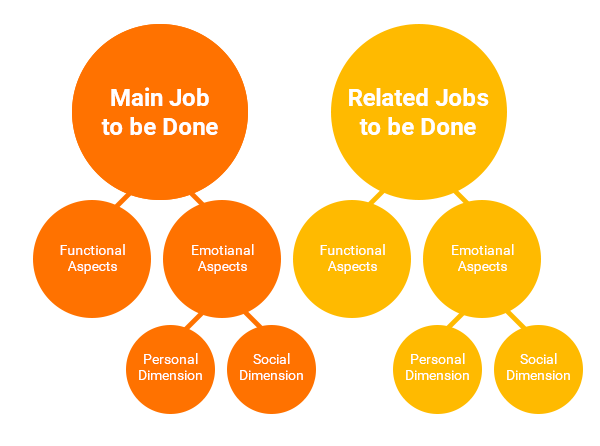
The Jobs to be Done (JTBD) framework focuses on understanding the underlying motivations and goals that drive consumers to use a product or service. Instead of traditional demographic or psychographic segmentation, JTBD emphasizes the “job” or functional need that customers aim to fulfill, providing insights into how products can better align with specific tasks or problems customers want to solve.
 productbits